top of page
HomeEduHubSapphiresThe Many Sapphire Types and Colors
SAPPHIRES

The Many Sapphire Types and Colors

By Khay · May 2024 · 11 min read

IN THIS GUIDE

3 articles in this series

Diamond & Sapphire Jewelry Cleaning at home

4 min

Milky, Silky & Opalescent Sapphires: A uniquely hypnotic gem

4 min

GEM SANCTUM FIELD GUIDE

Add a Title

Add a Title

Add a Title

Add a Title

Add a Title

Add a Title

Add a Title

parti sapphire rough from australia.png

Most people associate the sapphire with the color blue, however sapphire can be found in virtually every color of the rainbow, including ever popular shades of pink, yellow, green, and violet. Explore the different colors of sapphires, their origins and what makes them so special.


What is the natural color of sapphire?

White Sapphires

Sapphires are traditionally recognized for their vibrant blue hues, but they actually come in a wide range of colors, including the less commonly known white sapphire. The natural color of a sapphire depends significantly on the presence of trace elements during its formation. When no trace elements are present during the creation of the gemstone, what we have is a colorless sapphire, or white sapphire.

In nature, colorless sapphires are quite rare. Most natural sapphire exhibit a very light tint of color, such as light blue or pale pink due to trace impurities. These subtle tints distinguish natural white sapphires from synthetic ones and add a unique character to each stone. The rarity and the subtle unique tints of these gems make them a cherished item among collectors and jewelry enthusiasts.

While natural white sapphires are rare, synthetic white sapphires are commonly produced in laboratories. These lab-created sapphires are identical in chemical composition and physical properties to their natural counterparts but can be produced without the slight color tints that naturally occur. Synthetic white sapphires are frequently used in the production of lenses, scientific instruments, and protective coatings, where their hardness and optical clarity are essential.

natural white sapphire emerald cut
natural white sapphires are rare, with many lab made varieties available

What color sapphire is most rare?

When assessing the value and rarity of gemstones like sapphires, three main factors are considered: hue, tone, and saturation. Typically, darker sapphires are highly valued, but there are exceptions where lighter colors achieve extraordinary value due to their rarity.


Padparadscha Sapphires

Untreated, unheated naturally occurring Padparadscha sapphires are considered one of the two rarest sapphire colors. Among the myriad of sapphire colors available, Padparadscha holds a special place due to their scarcity and unique coloration. The term "Padparadscha" is derived from the Sinhalese word for "lotus flower," reflecting the gem's delicate orange-pink hue reminiscent of the lotus. This color, often described as a blend of sunset orange and pink or a salmon hue, is exclusive to these sapphires and contributes to their rarity.

padparadscha sapphire next to a lotus flower
padparadscha sapphires are aptly named, they resemble the coloring of the lotus bloom as well as mimicking the colors of the sunset or sunrise

Padparadscha sapphires are predominantly found in Sri Lanka, a region renowned for its quality gemstones. These sapphires have a deep cultural connection to the island nation, symbolizing the beauty and vibrancy of its natural landscape. The rarity of this gemstone, especially in its natural, untreated state, makes it one of the most prized sapphire varieties. Untreated specimens, which have not been enhanced by heat or chemical processes, are particularly rare and valuable.

Due to their scarcity, Padparadscha sapphires often command prices that far exceed those of more common sapphire colors. Their unique color palette makes them a sought-after choice for high-end jewelry, including engagement rings and ceremonial pieces.

princess eugienes padparadscha sapphire ring

A notable contemporary example of Padparadscha's appeal is the engagement ring of Princess Eugenie, which features a Padparadscha sapphire, bringing renewed attention to this rare gemstone since her engagement in 2018.


Orange Sapphires

A true natural orange sapphire is extremely rare in the gemstone market. The natural occurrence of this vibrant color is uncommon, which adds to its appeal and value. In recent years, the market has seen an influx of strongly colored orange and yellowish-orange sapphires. These are often priced lower due to being treated with extreme high temperatures and sometimes beryllium, a method used to intensify or alter their natural coloring. This treatment can significantly enhance the hue, turning otherwise less notable sapphires into strikingly orange gems, one of the more common results of this enhancement.

oval cut orange sapphire
Beryllium treatment is so prolific in the gem market that virtually all orange sapphires you will see for sale are beryllium treated. This method of enhancement is not widely accepted among gem professionals, which has had the effect of reducing the value of beryllium treated sapphires. This in turn has led to more unscrupulous vendors to not disclose the treatment at all in the hopes of attracting a premium price. This is why you should always purchase stones from reputable dealers, or with a gem ID report from a reputable lab. - Khay Oberon, Gem Broker, Gemologist

Color Change Sapphire

asscher cut color change sapphire showing red to blue change
the same sapphire shown under different light sources exhibiting color change from red-purple to blue-violet

One of the most intriguing varieties of this gemstone is the color change sapphire. This type of sapphire exhibits a unique optical phenomenon where its color changes depending on the lighting conditions. Typically, a color change sapphire might display a different hue in natural sunlight compared to artificial incandescent or fluorescent light. For example, it may appear blue in daylight and purple under incandescent light, giving the illusion of having two different stones in one. This remarkable characteristic makes color change sapphires particularly special and sought after. While most color change sapphires are sourced from Sri Lanka and Tanzania, recent finds have also been reported in Madagascar, broadening the sources and variations available in the market.


Green Sapphires

emerald cut green sapphire

Green sapphires are another fascinating variant, with their color intensity directly related to the iron content within the corundum. These gems can range from light green to subtle olive greens to vibrant grass greens, with recent trends showing a growing interest in these unusual tones. The green sapphire’s unique coloration makes it a fresh and distinctive choice among the more commonly known colors of sapphires.


Yellow Sapphires

Yellow sapphires span a broad spectrum of yellow hues, ranging from pale lemon to the highly coveted bright canary yellow. This vivid yellow, reminiscent of a miniature blaze of sunlight, is particularly prized for its brightness and warmth. The rich color is due to the presence of iron within the corundum structure, which imparts the yellow hue. These gems are a popular choice for jewelry, especially rings, where their bright color can truly stand out. A 14k yellow gold ring set with a canary yellow sapphire makes a striking piece, especially when layered with other rings, adding a touch of glamor and sophistication to any ensemble.

cushion cut yellow sapphire gemstone
cushion cut yellow sapphire in a cheery hue

Violet and Purple Sapphires

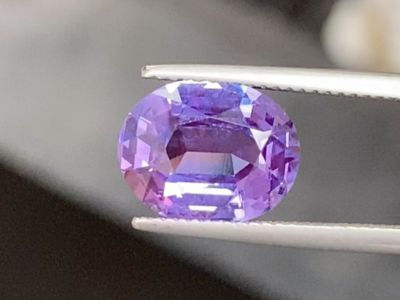
oval cut purple sapphire
purplish-violet hued sapphires are an excellent alternative to amethyst for engagement rings due to their higher hardness

Violet and purple sapphires represent a fascinating segment of the sapphire family, positioned between pink and blue in the color spectrum. These sapphires have grown in popularity due to their unique and striking hues. While dark purple sapphires are less sought after, those with lighter, pinkish-purple tones tend to be more popular and can fetch higher prices. Sapphires with a distinct violet hue are especially valued for their depth and vibrancy, making them a favorite among collectors and jewelry enthusiasts looking for something beyond the traditional blue sapphire.


Peacock Sapphires

Peacock sapphires, also known as teal sapphires, are an exotic and intriguing variety that features a blend of greenish-blue hues. These sapphires capture the enchanting colors of a peacock's feathers, hence the name. The unique coloration straddles the line between green and blue sapphires, offering a spectrum of shaded, banded, and variegated tones. Sometimes referred to as mermaid sapphires, a fine teal sapphire specimen can evoke images of oceanic beauty and mystique, making them a distinctive choice for those seeking a gemstone that stands out for its rich, layered colors.
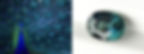
a peacock displaying its feathers, and a peacock colored sapphire
the name peacock is applied to sapphires that exhibit both green and blue colors, either as a blended teal color or in a motley manner like parti color sapphire, which is why some parti color sapphires are also technically peacock sapphires

Other Colors

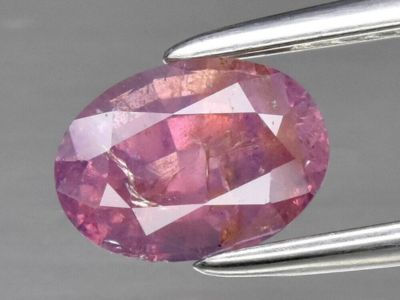
multicolored hazy oval cut sapphire
this fancy colored sapphire contains multiple features making it a challenge to classify.

These non-blue sapphires, referred to as fancy sapphires, are highly prized for their unique blends and rare colors, which make them both admired and valuable in the gemstone market. Fancy sapphires encompass a wide range of rare colors, including unique shades like blue-green, pinkish blue-green, violet-green, and grayish-red. The rarity of these colors adds to the allure and value of these gemstones, making them a cherished choice for jewelry and collectibles. The crystal structure of sapphire, coupled with the presence of various trace elements, creates a palette of colors that offer unlimited design possibilities. This versatility, along with sapphire’s inherent durability, makes it a popular and enduring investment.


What is the most popular sapphire color?

Blue remains the most popular color for sapphires, significantly outpacing other colors. Many people are not even aware that sapphires come in any color other than blue. This association dates back thousands of years, with the name "sapphire" itself derived from a term referring to its blue color, cementing its iconic status.

collection of faceted blue sapphires

What makes sapphires blue?

The color of a sapphire is determined by trace elements present during their formation. Blue sapphires typically contain iron and titanium. The interaction between these elements and the corundum (the mineral form of aluminum oxide that comprises sapphires) results in the deep, rich blue that sapphires are renowned for. In contrast, the presence of chromium can create pink sapphires, and additional iron can deepen the blue hue. It's commonly accepted that for a sapphire to be classified primarily as blue, it should exhibit at least 75% blue coloration, distinguishing it from what are known as "fancy colored sapphires."


Should sapphire be darker or lighter?

The spectrum of blue sapphire shades ranges from light baby blue to a deep royal blue. Historically, the most valued shade has been a vibrant velvet blue or violet-blue in medium to dark tones. However, preferences have evolved, and today, medium to lighter blue shades are increasingly favored over the darker, nearly navy blue shades that gained prominence with Princess Diana's famous engagement ring.


What color is the perfect sapphire?

Defining the perfect sapphire color is subjective, as beauty truly lies in the eye of the beholder. The valuation of sapphires follows a color scale, where the most expensive typically lie near a specific saturation and hue that might be considered ideal. However, linking price directly to desirability does not necessarily define the 'perfect' stone. Sapphire desirability also fluctuates with fashion trends, market conditions, and changing tastes. Besides color, other factors such as cut, polish quality, and treatment status also play critical roles in determining a sapphire's appeal. Notably, untreated stones are generally more valuable than those that have undergone heat treatment, impacting their overall desirability and perceived perfection.


Star Sapphires

blue star sapphire cabochons
natural blue star sapphire cabochons showing strong asterism

Star sapphires are a unique variety known for displaying a phenomenon known as asterism, a star-like pattern that appears on the surface of the gem when it is viewed under direct light. This effect is caused by the interplay of light with the silk-like rutile inclusions within the stone's crystal structure. The typical star on a star sapphire has six rays, although twelve-ray stars are also known but are rarer. Star sapphires are highly prized, especially when the star is sharply defined and centered on the cabochon. This effect is so rare and sought after that one of the types of synthetic sapphires readily available are star sapphires. Star sapphires occur naturally in the many colors sapphire occurs in, with black star sapphires being a popular choice for men's jewelry.


Sri Lanka (Ceylon) & Madagascar

artisan mining setup sri lanka
rudimentary mining setups like these are common to this day in Sri Lanka

Sri Lanka, historically known as Ceylon, is a major producer and exporter of fine blue sapphires. The term 'Ceylon sapphires' continues to be used in the gem trade to denote the origin and quality of these gemstones, despite the country's name change to Sri Lanka after gaining independence from Britain. Blue sapphires from Sri Lanka are renowned for their quality and are comparable to those found in Madagascar, a newer but significant source of fine sapphires. Madagascar's sapphires can sometimes match the quality of those from Sri Lanka, the consistency and characteristics of the stones from both locations are remarkably similar, often making it difficult to differentiate by origin. The finer examples from both locations are valued similarly now.


Madagascar and Kashmir Sapphires

image of the tsiribihini river in madagascar
isolated and rural locations for mining in madagascar are just one of the challenges facing sapphire mining in the region

Madagascar has emerged as a significant source of sapphires, with many of its stones being compared to the famed Kashmir mined sapphires in terms of quality. While some gems from Madagascar have been labeled as "Kashmir sapphires," it's important to note that true Kashmiri gem sapphires originate from the Kashmir region in India, which has long been celebrated for producing some of the world's finest sapphires. However, due to the rarity and high value associated with Kashmiri stones, sapphires labeled as such are often subject to inflated prices. Despite this, Madagascar sapphires are highly regarded for their resemblance to Kashmiri specimens, offering a more accessible option for those seeking similar quality and beauty.


Other Producing Locations

welcome to montana state highway sign

In addition to Madagascar and Kashmir, several other regions around the world contribute to the global supply of sapphires. Countries like Australia, Montana in the USA, and Cambodia are notable producers of sapphires, albeit on a smaller scale compared to major sources like Madagascar and Sri Lanka. While these regions may yield some fine quality sapphires, the majority of stones sourced from these areas often exhibit secondary color tones or imperfections that require treatment before they can be sold in the retail jewelry market. Despite this, some exceptionally rare and valuable sapphires are occasionally discovered, although such finds are relatively uncommon.


Pink Sapphires

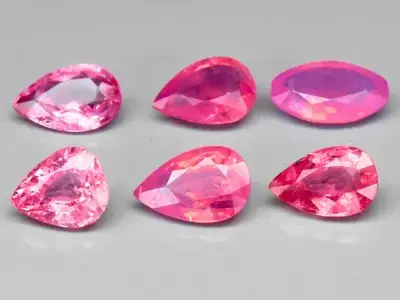
Pink sapphires are a captivating variety of sapphire that gains its delightful color from trace amounts of copper in corundum. Historically, Madagascar has emerged as a significant source since the 1990s, though pink sapphires have also been mined in Vietnam, Sri Lanka, and Burma. The deposits in southern Madagascar are particularly notable for both the quality and quantity of pink sapphires, ranging from light pink to vibrant magenta shades. These gems have soared in popularity due to their striking color and clarity.

collection of faceted pink sapphires

Pink Sapphire Origins

Madagascar is now one of the premier sources for pink sapphires, unmatched in the consistency and quality of the stones produced. These sapphires often display a uniform and distinct color that is immediately recognizable as the typical Madagascar sapphire shade. Commonly found in smaller sizes, around 1 centimeter, these crystals are known for their clear, consistent coloring and almost electric light-reflective properties. Despite the high quality, the market has managed to maintain a relatively stable price point for these gems. Additionally, the clarity of these sapphires allows for minimal heat treatment compared to other sources.


Ruby and Pink Sapphires

The distinction between rubies and pink sapphires has traditionally been a subject of debate within the gemological community. Recent efforts by international laboratories have made significant strides towards creating a clearer classification system, although perfect separation is not always possible. Rubies and pink sapphires often overlap in color, especially the "pinkish-red" shades found in Myanmar, Sri Lanka, and Madagascar.

In Myanmar, the term "Burmese sapphire" traditionally refers to rubies since the country primarily produces red corundum. Pink sapphires from Myanmar were recognized before those found in Madagascar and are sometimes classified as rubies, even with minimal red coloring, due to local standards that categorize all red-toned corundum as ruby. Pink sapphires typically contain more inclusions and commonly undergo heat treatment to enhance their color and clarity. This treatment often involves fluxes and additives to improve the overall appearance of the stones.


Which color sapphire is most valuable?

The most prized sapphires are of Kashmiri origin, renowned for their deep velvety blue color. These gems are sourced from the remote Himalayan region of Kashmir in India. The mining of Kashmir sapphires effectively ceased in 1927, and since then, these stones have become exceedingly rare. Due to their limited availability and the historic value, a Kashmir sapphire is a much sought after item and primarily resides in private collections or museums, seldom appearing on the market.

the jewel of kashmir sapphire
the famous 'Jewel of Kashmir' sapphire

What color does sapphire go with?

Blue sapphires are versatile and can be beautifully paired with various metals and gemstones. They particularly complement rose, yellow, and white golds, making them ideal for diverse jewelry settings. Additionally, blue sapphires look stunning when set alongside white diamonds or other colorless gemstones, which can enhance their deep blue hue and add an extra layer of sparkle and contrast to the piece. This versatility makes blue sapphires a popular choice for both traditional and contemporary jewelry designs.

KHAY

Gemologist & Goldsmith · Auckland, New Zealand

15+ years working with coloured gemstones. I write these guides from the bench — every claim is something I've tested with my own tools.

case study

Add a Title

gemline

excerpt

VIEW THIS COMMISSION →

EXPLORE THE COLLECTION

See {Gem Name} in the Inventory

Add paragraph text. Click “Edit Text” to update the font, size and more. To change and reuse text themes, go to Site Styles.

BEGIN A CUSTOM COMMISSION

EXPLORE MORE

Add a Title

Add paragraph text. Click “Edit Text” to update the font, size and more. To change and reuse text themes, go to Site Styles.

Add a Title

Add paragraph text. Click “Edit Text” to update the font, size and more. To change and reuse text themes, go to Site Styles.

Add a Title

Add paragraph text. Click “Edit Text” to update the font, size and more. To change and reuse text themes, go to Site Styles.

  • May 14, 2024
  • 11 min read

Updated: Oct 10, 2025

Most people associate the sapphire with the color blue, however sapphire can be found in virtually every color of the rainbow, including ever popular shades of pink, yellow, green, and violet. Explore the different colors of sapphires, their origins and what makes them so special.


What is the natural color of sapphire?

White Sapphires

Sapphires are traditionally recognized for their vibrant blue hues, but they actually come in a wide range of colors, including the less commonly known white sapphire. The natural color of a sapphire depends significantly on the presence of trace elements during its formation. When no trace elements are present during the creation of the gemstone, what we have is a colorless sapphire, or white sapphire.

In nature, colorless sapphires are quite rare. Most natural sapphire exhibit a very light tint of color, such as light blue or pale pink due to trace impurities. These subtle tints distinguish natural white sapphires from synthetic ones and add a unique character to each stone. The rarity and the subtle unique tints of these gems make them a cherished item among collectors and jewelry enthusiasts.

While natural white sapphires are rare, synthetic white sapphires are commonly produced in laboratories. These lab-created sapphires are identical in chemical composition and physical properties to their natural counterparts but can be produced without the slight color tints that naturally occur. Synthetic white sapphires are frequently used in the production of lenses, scientific instruments, and protective coatings, where their hardness and optical clarity are essential.

natural white sapphire emerald cut
natural white sapphires are rare, with many lab made varieties available

What color sapphire is most rare?

When assessing the value and rarity of gemstones like sapphires, three main factors are considered: hue, tone, and saturation. Typically, darker sapphires are highly valued, but there are exceptions where lighter colors achieve extraordinary value due to their rarity.


Padparadscha Sapphires

Untreated, unheated naturally occurring Padparadscha sapphires are considered one of the two rarest sapphire colors. Among the myriad of sapphire colors available, Padparadscha holds a special place due to their scarcity and unique coloration. The term "Padparadscha" is derived from the Sinhalese word for "lotus flower," reflecting the gem's delicate orange-pink hue reminiscent of the lotus. This color, often described as a blend of sunset orange and pink or a salmon hue, is exclusive to these sapphires and contributes to their rarity.

padparadscha sapphire next to a lotus flower
padparadscha sapphires are aptly named, they resemble the coloring of the lotus bloom as well as mimicking the colors of the sunset or sunrise

Padparadscha sapphires are predominantly found in Sri Lanka, a region renowned for its quality gemstones. These sapphires have a deep cultural connection to the island nation, symbolizing the beauty and vibrancy of its natural landscape. The rarity of this gemstone, especially in its natural, untreated state, makes it one of the most prized sapphire varieties. Untreated specimens, which have not been enhanced by heat or chemical processes, are particularly rare and valuable.

Due to their scarcity, Padparadscha sapphires often command prices that far exceed those of more common sapphire colors. Their unique color palette makes them a sought-after choice for high-end jewelry, including engagement rings and ceremonial pieces.

princess eugienes padparadscha sapphire ring

A notable contemporary example of Padparadscha's appeal is the engagement ring of Princess Eugenie, which features a Padparadscha sapphire, bringing renewed attention to this rare gemstone since her engagement in 2018.


Orange Sapphires

A true natural orange sapphire is extremely rare in the gemstone market. The natural occurrence of this vibrant color is uncommon, which adds to its appeal and value. In recent years, the market has seen an influx of strongly colored orange and yellowish-orange sapphires. These are often priced lower due to being treated with extreme high temperatures and sometimes beryllium, a method used to intensify or alter their natural coloring. This treatment can significantly enhance the hue, turning otherwise less notable sapphires into strikingly orange gems, one of the more common results of this enhancement.

oval cut orange sapphire
Beryllium treatment is so prolific in the gem market that virtually all orange sapphires you will see for sale are beryllium treated. This method of enhancement is not widely accepted among gem professionals, which has had the effect of reducing the value of beryllium treated sapphires. This in turn has led to more unscrupulous vendors to not disclose the treatment at all in the hopes of attracting a premium price. This is why you should always purchase stones from reputable dealers, or with a gem ID report from a reputable lab. - Khay Oberon, Gem Broker, Gemologist

Color Change Sapphire

asscher cut color change sapphire showing red to blue change
the same sapphire shown under different light sources exhibiting color change from red-purple to blue-violet

One of the most intriguing varieties of this gemstone is the color change sapphire. This type of sapphire exhibits a unique optical phenomenon where its color changes depending on the lighting conditions. Typically, a color change sapphire might display a different hue in natural sunlight compared to artificial incandescent or fluorescent light. For example, it may appear blue in daylight and purple under incandescent light, giving the illusion of having two different stones in one. This remarkable characteristic makes color change sapphires particularly special and sought after. While most color change sapphires are sourced from Sri Lanka and Tanzania, recent finds have also been reported in Madagascar, broadening the sources and variations available in the market.


Green Sapphires

emerald cut green sapphire

Green sapphires are another fascinating variant, with their color intensity directly related to the iron content within the corundum. These gems can range from light green to subtle olive greens to vibrant grass greens, with recent trends showing a growing interest in these unusual tones. The green sapphire’s unique coloration makes it a fresh and distinctive choice among the more commonly known colors of sapphires.


Yellow Sapphires

Yellow sapphires span a broad spectrum of yellow hues, ranging from pale lemon to the highly coveted bright canary yellow. This vivid yellow, reminiscent of a miniature blaze of sunlight, is particularly prized for its brightness and warmth. The rich color is due to the presence of iron within the corundum structure, which imparts the yellow hue. These gems are a popular choice for jewelry, especially rings, where their bright color can truly stand out. A 14k yellow gold ring set with a canary yellow sapphire makes a striking piece, especially when layered with other rings, adding a touch of glamor and sophistication to any ensemble.

cushion cut yellow sapphire gemstone
cushion cut yellow sapphire in a cheery hue

Violet and Purple Sapphires

oval cut purple sapphire
purplish-violet hued sapphires are an excellent alternative to amethyst for engagement rings due to their higher hardness

Violet and purple sapphires represent a fascinating segment of the sapphire family, positioned between pink and blue in the color spectrum. These sapphires have grown in popularity due to their unique and striking hues. While dark purple sapphires are less sought after, those with lighter, pinkish-purple tones tend to be more popular and can fetch higher prices. Sapphires with a distinct violet hue are especially valued for their depth and vibrancy, making them a favorite among collectors and jewelry enthusiasts looking for something beyond the traditional blue sapphire.


Peacock Sapphires

Peacock sapphires, also known as teal sapphires, are an exotic and intriguing variety that features a blend of greenish-blue hues. These sapphires capture the enchanting colors of a peacock's feathers, hence the name. The unique coloration straddles the line between green and blue sapphires, offering a spectrum of shaded, banded, and variegated tones. Sometimes referred to as mermaid sapphires, a fine teal sapphire specimen can evoke images of oceanic beauty and mystique, making them a distinctive choice for those seeking a gemstone that stands out for its rich, layered colors.

a peacock displaying its feathers, and a peacock colored sapphire
the name peacock is applied to sapphires that exhibit both green and blue colors, either as a blended teal color or in a motley manner like parti color sapphire, which is why some parti color sapphires are also technically peacock sapphires

Other Colors

multicolored hazy oval cut sapphire
this fancy colored sapphire contains multiple features making it a challenge to classify.

These non-blue sapphires, referred to as fancy sapphires, are highly prized for their unique blends and rare colors, which make them both admired and valuable in the gemstone market. Fancy sapphires encompass a wide range of rare colors, including unique shades like blue-green, pinkish blue-green, violet-green, and grayish-red. The rarity of these colors adds to the allure and value of these gemstones, making them a cherished choice for jewelry and collectibles. The crystal structure of sapphire, coupled with the presence of various trace elements, creates a palette of colors that offer unlimited design possibilities. This versatility, along with sapphire’s inherent durability, makes it a popular and enduring investment.


What is the most popular sapphire color?

Blue remains the most popular color for sapphires, significantly outpacing other colors. Many people are not even aware that sapphires come in any color other than blue. This association dates back thousands of years, with the name "sapphire" itself derived from a term referring to its blue color, cementing its iconic status.

collection of faceted blue sapphires

What makes sapphires blue?

The color of a sapphire is determined by trace elements present during their formation. Blue sapphires typically contain iron and titanium. The interaction between these elements and the corundum (the mineral form of aluminum oxide that comprises sapphires) results in the deep, rich blue that sapphires are renowned for. In contrast, the presence of chromium can create pink sapphires, and additional iron can deepen the blue hue. It's commonly accepted that for a sapphire to be classified primarily as blue, it should exhibit at least 75% blue coloration, distinguishing it from what are known as "fancy colored sapphires."


Should sapphire be darker or lighter?

The spectrum of blue sapphire shades ranges from light baby blue to a deep royal blue. Historically, the most valued shade has been a vibrant velvet blue or violet-blue in medium to dark tones. However, preferences have evolved, and today, medium to lighter blue shades are increasingly favored over the darker, nearly navy blue shades that gained prominence with Princess Diana's famous engagement ring.


What color is the perfect sapphire?

Defining the perfect sapphire color is subjective, as beauty truly lies in the eye of the beholder. The valuation of sapphires follows a color scale, where the most expensive typically lie near a specific saturation and hue that might be considered ideal. However, linking price directly to desirability does not necessarily define the 'perfect' stone. Sapphire desirability also fluctuates with fashion trends, market conditions, and changing tastes. Besides color, other factors such as cut, polish quality, and treatment status also play critical roles in determining a sapphire's appeal. Notably, untreated stones are generally more valuable than those that have undergone heat treatment, impacting their overall desirability and perceived perfection.


Star Sapphires

blue star sapphire cabochons
natural blue star sapphire cabochons showing strong asterism

Star sapphires are a unique variety known for displaying a phenomenon known as asterism, a star-like pattern that appears on the surface of the gem when it is viewed under direct light. This effect is caused by the interplay of light with the silk-like rutile inclusions within the stone's crystal structure. The typical star on a star sapphire has six rays, although twelve-ray stars are also known but are rarer. Star sapphires are highly prized, especially when the star is sharply defined and centered on the cabochon. This effect is so rare and sought after that one of the types of synthetic sapphires readily available are star sapphires. Star sapphires occur naturally in the many colors sapphire occurs in, with black star sapphires being a popular choice for men's jewelry.


Sri Lanka (Ceylon) & Madagascar

artisan mining setup sri lanka
rudimentary mining setups like these are common to this day in Sri Lanka

Sri Lanka, historically known as Ceylon, is a major producer and exporter of fine blue sapphires. The term 'Ceylon sapphires' continues to be used in the gem trade to denote the origin and quality of these gemstones, despite the country's name change to Sri Lanka after gaining independence from Britain. Blue sapphires from Sri Lanka are renowned for their quality and are comparable to those found in Madagascar, a newer but significant source of fine sapphires. Madagascar's sapphires can sometimes match the quality of those from Sri Lanka, the consistency and characteristics of the stones from both locations are remarkably similar, often making it difficult to differentiate by origin. The finer examples from both locations are valued similarly now.


Madagascar and Kashmir Sapphires

image of the tsiribihini river in madagascar
isolated and rural locations for mining in madagascar are just one of the challenges facing sapphire mining in the region

Madagascar has emerged as a significant source of sapphires, with many of its stones being compared to the famed Kashmir mined sapphires in terms of quality. While some gems from Madagascar have been labeled as "Kashmir sapphires," it's important to note that true Kashmiri gem sapphires originate from the Kashmir region in India, which has long been celebrated for producing some of the world's finest sapphires. However, due to the rarity and high value associated with Kashmiri stones, sapphires labeled as such are often subject to inflated prices. Despite this, Madagascar sapphires are highly regarded for their resemblance to Kashmiri specimens, offering a more accessible option for those seeking similar quality and beauty.


Other Producing Locations

welcome to montana state highway sign

In addition to Madagascar and Kashmir, several other regions around the world contribute to the global supply of sapphires. Countries like Australia, Montana in the USA, and Cambodia are notable producers of sapphires, albeit on a smaller scale compared to major sources like Madagascar and Sri Lanka. While these regions may yield some fine quality sapphires, the majority of stones sourced from these areas often exhibit secondary color tones or imperfections that require treatment before they can be sold in the retail jewelry market. Despite this, some exceptionally rare and valuable sapphires are occasionally discovered, although such finds are relatively uncommon.


Pink Sapphires

Pink sapphires are a captivating variety of sapphire that gains its delightful color from trace amounts of copper in corundum. Historically, Madagascar has emerged as a significant source since the 1990s, though pink sapphires have also been mined in Vietnam, Sri Lanka, and Burma. The deposits in southern Madagascar are particularly notable for both the quality and quantity of pink sapphires, ranging from light pink to vibrant magenta shades. These gems have soared in popularity due to their striking color and clarity.

collection of faceted pink sapphires

Pink Sapphire Origins

Madagascar is now one of the premier sources for pink sapphires, unmatched in the consistency and quality of the stones produced. These sapphires often display a uniform and distinct color that is immediately recognizable as the typical Madagascar sapphire shade. Commonly found in smaller sizes, around 1 centimeter, these crystals are known for their clear, consistent coloring and almost electric light-reflective properties. Despite the high quality, the market has managed to maintain a relatively stable price point for these gems. Additionally, the clarity of these sapphires allows for minimal heat treatment compared to other sources.


Ruby and Pink Sapphires

The distinction between rubies and pink sapphires has traditionally been a subject of debate within the gemological community. Recent efforts by international laboratories have made significant strides towards creating a clearer classification system, although perfect separation is not always possible. Rubies and pink sapphires often overlap in color, especially the "pinkish-red" shades found in Myanmar, Sri Lanka, and Madagascar.

In Myanmar, the term "Burmese sapphire" traditionally refers to rubies since the country primarily produces red corundum. Pink sapphires from Myanmar were recognized before those found in Madagascar and are sometimes classified as rubies, even with minimal red coloring, due to local standards that categorize all red-toned corundum as ruby. Pink sapphires typically contain more inclusions and commonly undergo heat treatment to enhance their color and clarity. This treatment often involves fluxes and additives to improve the overall appearance of the stones.


Which color sapphire is most valuable?

The most prized sapphires are of Kashmiri origin, renowned for their deep velvety blue color. These gems are sourced from the remote Himalayan region of Kashmir in India. The mining of Kashmir sapphires effectively ceased in 1927, and since then, these stones have become exceedingly rare. Due to their limited availability and the historic value, a Kashmir sapphire is a much sought after item and primarily resides in private collections or museums, seldom appearing on the market.

the jewel of kashmir sapphire
the famous 'Jewel of Kashmir' sapphire

What color does sapphire go with?

Blue sapphires are versatile and can be beautifully paired with various metals and gemstones. They particularly complement rose, yellow, and white golds, making them ideal for diverse jewelry settings. Additionally, blue sapphires look stunning when set alongside white diamonds or other colorless gemstones, which can enhance their deep blue hue and add an extra layer of sparkle and contrast to the piece. This versatility makes blue sapphires a popular choice for both traditional and contemporary jewelry designs.


Comments


bottom of page