

Pure Gold is 24 karats. 'Karatage' measures the amount of pure gold alloyed with other metals. Lower karat purities contain less gold. For example, 18 karat gold contains 75 per cent gold and 25 per cent other metals, like copper or silver.
This means there is no such thing as 25k gold, and if you see anything like this for sale, run the other way! The jewelry industry standardized the karat system and has a short but clear list of accepted purities used in manufacturing of jewelry worldwide today (see below). The definition of karat refers to the proportion of pure gold to other metals that are mixed into it to alter the physical characteristics of the metal like color, strength, durability and ductility.
In general terms, the higher the karat, the higher gold content and the 'purer' the gold. It will also be more expensive as a result.
This article is a long one! If you want to skip ahead to your burning question here's a handy dandy contents section that will take you straight there.
What is a Karat? - Gold Purity
Karats are a unit of measurement solely for measuring the purity of gold, not for silver, gemstones or any other precious metal. Karats are a measurement system that that goes from 1 to 24 and each unit is a 'part'. This means gold is measured in the number of parts out of 24 parts. This is a fraction based system.
What's a Carat?
Carats specifically address the weight of gems and precious stones as they tend to be very tiny and lightweight. Pounds, ounces and grams are too big for most gems so we use the carat unit to measure gem weight. One carat equals 200 milligrams of weight. So really, you can't compare karats to carats. It's like trying to compare apples to oranges, or in this case, gold to precious gems. Carats may not be able to measure gold, but they certainly know how to weigh in on a gem's value (ey, see what I did there?).
Understanding the Percentage System for Purity
At some point in the past the jewelry industry realized that the karat system was too confusing for the everyday person especially considering the use of carats for weighing gems and how similar the two words are. The number based system for measuring purity was introduced but it's uptake isn't universal so you will see jewelry all over the world using either the karat stamp or the number stamp to indicate the purity in a jewelry piece. The number based system is simply a number out of 1000 that denotes the percentage of gold in the mixture. The numbers are simply the 24 karat system represented as a percentage. This handy table will help clarify some of that mystery.

Gold Alloys Demystified
Gold alloys refer to the combination of gold with other metals, which create a new material with distinct properties. Pure gold or fine gold as it is also known, is a soft and pliable metal that is very malleable, but also highly susceptible to damage and scratches. When mixed with other metals, gold can become harder, more durable and less vulnerable to damage. Alloys can comprise of many potential different metals with properties that enhance the workability or durability of the overall piece being made. When we make gold alloys, the amount of gold we add should in total, be equal to a standard karat purity described in the table below. For example, pure gold is 24 karats or 99.9% pure gold (or as close to 100% as we can physically get) and is not an alloy because it's considered to be pure. 18k gold comprises of 75% pure gold (or 18 parts gold) with the other 25% being a combination of other metals. 18k gold is an alloy. Any karatage below 24 karats is called an alloy.
What Type of Gold is Best?
This depends entirely on your definition of 'best'. If you mean worth more money, then 14k is worth more money than the same amount (in weight) of 10k. Generally the higher the karatage the more it's going to cost. But if you want to know whether it's more durable, or ductile or resistant to tarnish or any other number of characteristics, the answer is not simple. It comes down to the alloy itself, and what it was designed to do. In very general terms, the lower purity metals are cheaper but hardier and more durable. The higher you go in Karat purity the softer and more delicate the gold gets, and the gold has a rich appearance, but is also more valuable. If you're after gold and diamond jewelry, consider something made with 18k gold. If you aren't after jewelry at all and simply want gold for investment purposes, then forgo the jewels altogether and buy gold bullion which is made for investing, and is made of 24k gold.

22k Gold
22k gold is the purest form of gold used today for the manufacturing of jewelry. It is 22 parts gold (91.6% pure) which means it retains the color of pure gold which is good news if you're a fan of that rich yellow hue. Investment into 22k jewelry as a store of value is a common practice among Eastern cultures, with India and China being the biggest manufacturers and consumers of 22k jewelry. So if you are looking for an suitable store of value but also a nice piece of gold jewelry, then 22k jewelry is the best type of gold jewelry for this. A word of warning however, 22k gold is very soft, so jewelry designs typically don't feature gems as this karatage is unsuitable for securing gemstones into, so if that's what you're after, go one level down.

18k gold or 18 Karat Gold
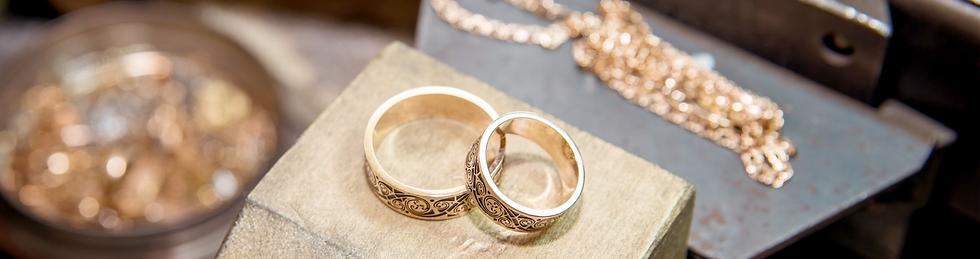
With a rich, warm color and heft, 18k feels expensive when handled. Compared to lower karat jewelry, 18k gold retains more of it's intrinsic value. The specific ratio of gold to other metals expands it's range for use in jewelry, it can be made into chains and settings for different types of gemstones that will stand the test of time. This is why 18-karat gold is widely used for wedding and engagement rings all over the world and is considered the traditional metal for wedding rings. You can find 18k gold used for a variety of designs, from simple pieces to more intricate and elaborate detailed work like filigree. Overall, 18k gold is an excellent choice if you are a traditionalist or want something valuable but suitable for everyday wear.
14k Gold or 14 Karat Gold
14k gold is a relatively new purity standard for gold when compared to 18 karat. One of the big benefits of 14 karat is that it is less expensive than 18k, making it a great choice for budget-conscious jewelry markets. This purity still maintains a decent value while offering a high level of versatility in its working properties. In North American jewelry markets, 14k gold is much more popular than 18k, especially for modern engagement and wedding rings. Thanks to its stronger structure, it is also a great option for securely holding gemstone settings. Overall, 14 karat offers a great balance between cost and value, making it a popular choice for many jewelry shoppers looking for easily wearable pieces.

10k Gold or 10 Karat Gold
10k gold is the lowest purity available in the North American sector. However, it is increasingly found in other international jewelry markets. 10k gold is popular among budget-conscious buyers as it is more affordable compared to higher karat purities.
Additionally, 10k gold is the least fragile making it very popular with people who know they are a bit rough on their jewelry. This type of gold can be set with stones successfully, and has the greatest retention of engraved details compared to the other karat purities. It is a leading option for durable chains and necklaces that can be worn every day. It is also a great option when white gold or rose gold colors are preferred as a stronger hue is possible with lower karat purities. Despite its lower levels of gold purity, 10k gold is still a valuable metal and provides an excellent option for those looking for durable and affordable jewelry. Overall, 10k gold is an excellent choice for anyone who wants the beauty and durability of gold without breaking the bank.

What is White Gold? Is White Gold Real?
White gold is real gold but it isn't pure, it does not occur in nature and is a man-made mixture that consists of gold, nickel, and other metals to alter the color of gold to white (or as close as we can get it to white).
White gold comes in most karat purities, including 9k, 10k, 14k, and 18k. The lower the karat purity, the whiter it will appear, although white gold is still not a true white.
To increase the whiteness, all white gold is routinely plated with rhodium, another precious metal which is naturally a bright white hue. However, to maintain the color, the jewelry needs to be re-plated periodically by a professional jeweller. This is the one major drawback for white gold. How often re-plating is required is entirely dependent on the wearer's lifestyle and even their body chemistry, as some people's skin can cause plating to come off faster than other people.
Despite this, it is the most popular gold used in engagement and wedding rings today. It's popularity has surged in the last 30 years or so, but it has been manufactured for close to 100 years. Modern mixes for white gold can have many different metals in them, unfortunately one of the more common ones is Nickel which is a known allergen, and causes skin allergies and reactions in approximately 15% of people in New Zealand alone. For this reason, white gold alloys manufactured in New Zealand, where Gem Sanctum manufactures it's jewelry, is made without Nickel in it's composition.

Yellow Gold
Yellow gold is an umbrella term commonly used in the jewelry industry to describe any purity level or alloy that is yellow colored in appearance. The reason for this is that the use of white gold and rose gold has become more common over the years, and so the term yellow gold is used to avoid any confusion with these other colors.
It is important to note that there are no other naturally occurring colors of gold - in fact, gold only exists in its natural state as a yellow color. When we use the term yellow gold, we are simply referring to the classic and timeless color that has been used in jewelry throughout history.

Rose Gold
Rose gold is a beautiful and timeless metal made of mainly gold and copper. It ranges in color from a subtle pinkish yellow through to an unmistakable reddish-pink hue. This beautiful rose color was particularly popular during the Victorian era and the early 20th century.
Today, this rose hue has made a big comeback due to the revival of the vintage aesthetic. Despite its current trendiness, it has a timeless appeal as it's considered a very romantic color.
Rose colored gold comes in most karat purities, namely 9k, 10k, 14k, and 18k. The high copper content means this type of gold is quite hardy and durable and makes it an excellent choice for both high-end and everyday pieces. Whether it's for a classic engagement ring or a modern fashion statement, rosy-hued jewelry is sure to elevate any look. Its versatility and warm hue make it a popular staple in many jewelry collections.

Are There Any Strong Alloys of Gold?
Typically 9 karat and 10 karat are considered the strongest and hardest wearing purities for use in jewelry. As the numbers would suggest, however, they have low gold content, so if you want a metal that is still high in gold content and valuable, then you can get pieces made in the other higher karat purities with some trade-off in durability.
Gold Titanium Alloy, Fact or Fiction?
Titanium Gold is an alloy of gold known for its immense strength and durability. It is comprised of 99% gold and is often used in dental implants due to its biocompatibility and resistance to corrosion. However, a new titanium-gold alloy has emerged, consisting of a mixture of three parts titanium and one part gold. This alloy has proven to be four times stronger than plain titanium, making it virtually unusable in jewelry applications due to its exorbitant strength. The new titanium-gold alloy is being researched for medical implant applications, but as of yet, there is no definitive use case for it. While its overly impressive strength makes it unsuitable for everyday use, its potential as a material for medical implants may prove to be a significant breakthrough in the field. Only time will tell what further discoveries and applications will come from the utilization of titanium-gold.

What Karat Gold is Best for a Necklace?
If by best you're referring to hard wearing and durable then either 9 karat or 10 karat are great options. 9 and 10 Karat is harder than all the other karat purities. 9 karat gold is the least pure of all the standard karat purities and comes from the British standardized gold karat scale so it tends to be sold across Europe, Australia and New Zealand. 9 Karat is the least pure of all the accepted karat purities for jewelry manufacturing today but isn't so common in the USA. 10 Karat is the least 'pure' karat alloy available across the USA and Canada and is a very popular choice for chains and necklaces due to its durability and ability to withstand scuffs and friction, these qualities along with it's inexpensiveness continue to drive gold jewelry sales across North America.





Comments