

Striking it Rich, All Around the World
Gold is found deep within the Earth's crust and mantle, and moves up to the surface of the crust through a process known as hydrothermal circulation. This occurs when superheated fluids dissolve metals and minerals in the Earth's crust, then rise to the surface where they cool and solidify. These fluids are often associated with igneous rocks and volcanic activity.
Specific areas containing higher concentrations of gold are called gold deposits. Gold deposits exist in almost every country and region on Earth, but the most significant deposits are in areas known as gold belts. These belts are specific geological formations that collect higher levels of gold within them. The largest of these gold belts is the Witwatersrand Basin in South Africa, which has produced some of the world's largest deposits of gold.
World's Largest Gold Mine
The largest gold mine in the world is located in Indonesia and is not a primary gold mine, but instead is a copper mine that happens to have some serious gold production as a byproduct of copper mining. You would think the largest gold nugget would have been found in either of these locations, instead, it was found in Australia. There is so much gold in Australia in fact, that it is a top producer of gold today. Read on to learn more about Gold Mining and Gold Deposits.
How are different gold deposits formed?
Gold deposition is influenced by a number of geologic conditions. These conditions include heat and pressure, as well as the presence of certain types of rocks and minerals in the earth's crust. Gold can occur in areas where there has been volcanic activity, and where magma has come into contact with hydrothermal fluids. This interaction can create hot, mineral-rich fluids that are capable of carrying gold to the surface. Another significant factor that can contribute to gold deposition is the presence of faults or fractures in the bedrock. When these faults occur, they can create conduits for hydrothermal fluids to flow through, which can concentrate gold along their path. Other factors that can promote gold deposition include the presence of groundwater, changes in the earth's crust due to tectonic activity, and the presence of organic materials such as coal. This action occurs continuously on a global scale and is the reason why gold can be found all over the world. Understanding the geologic conditions that promote gold deposition is crucial in identifying and exploring new prospects.
What is hydrothermal replacement?
Hydrothermal replacement is a process in which minerals, such as gold, replace voids and spaces in rock as hot fluids under high pressure. This process is often responsible for the formation of economically valuable mineral deposits. Hydrothermal replacement occurs when hot fluids, typically composed of magma-derived fluids or groundwater heated by nearby magma, dissolve minerals in one part of a rock formation and then transport those minerals to another part of the formation where they finally settle, replacing existing minerals. The process may occur at high temperatures and pressures, often in areas around volcanic vents or deep within the Earth's crust. Hydrothermal replacement is one of several processes that can lead to the enrichment of bedrock and other geological formations infiltrated by hydrothermal fluids.
What Volcanic Activity causes gold deposits?

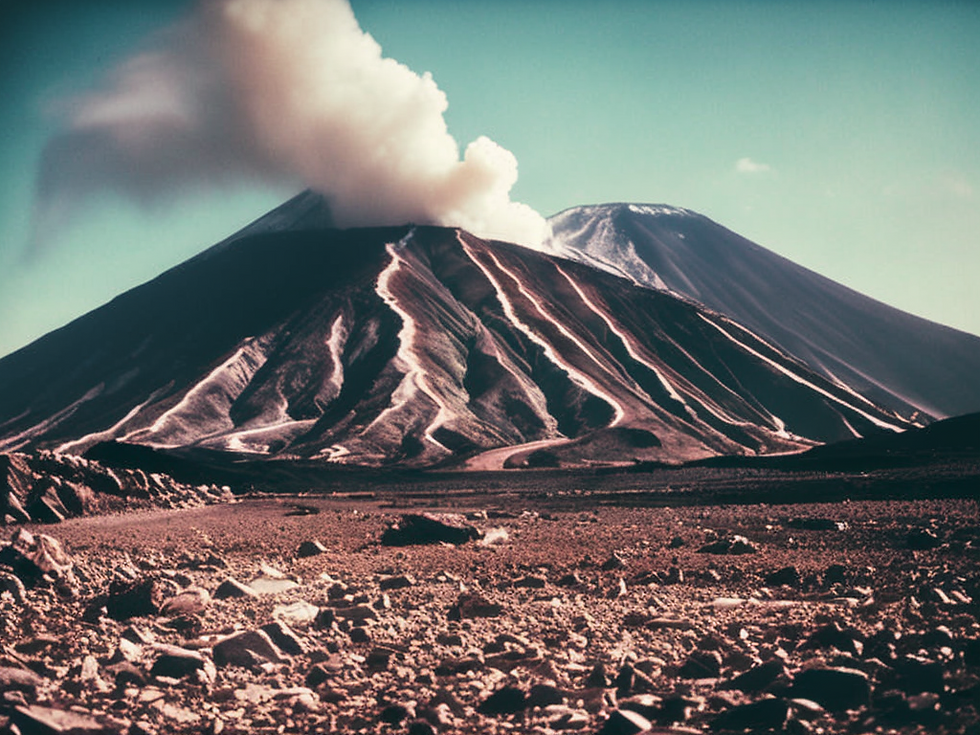
The location of gold can be affected by a variety of volcanic activities. One of the most significant impacts is through the deposition of volcanic ash and debris, which can contain gold. Hydrothermal replacement is also a volcanic activity as the required pressures and temperatures can only be found around volcanic areas. Additionally, volcanic activity can alter the pressure and temperature conditions of the surrounding rock, potentially causing gold to migrate and accumulate in new locations. Understanding the various ways in which volcanic activity can impact gold deposition is important for identifying potential mines and developing efficient extraction and mining methods.
What rock is gold found in?

Gold can be found in a number of different types of rock, one being igneous, which are formed by the cooling and solidification of molten magma or lava. Igneous rocks occur in areas that have experienced volcanic activity or have been uplifted from deep below the Earth's surface. These rocks are also in seams or veins, where gold can be caught up with the rock because of hydrothermal processes.
Gold can also be found in metamorphic rocks, which are formed through the transformation of pre-existing rocks under high temperatures and pressures. During this process, gold-bearing fluids can infiltrate and interact with the host rocks, leading to the deposition of gold in fractures and structural zones. However, the amount of gold in these rocks tend to be lower compared to igneous rocks.
Is there gold in seawater?
Seawater contains small amounts of gold, roughly one part per billion. While it is technically possible to extract gold from seawater, the process is extremely costly and inefficient. This is primarily due to the low concentration of gold in seawater and the high volumes of seawater that would need to be processed in order to obtain a significant amount of gold. Additionally, the process of extracting gold from seawater requires the use of highly specialized equipment that is expensive to operate and maintain. As a result, there are currently no commercially viable methods for extracting gold from seawater. Despite this, some researchers are continuing to explore new methods for gold extraction in the hopes of discovering a more efficient solution.
What is the concentration of gold in the earth's crust?
The concentration of gold on earth is extremely low, with an average of about 0.005 parts per million. While this may seem like very little, it is enough for mining companies to extract and process gold for commercial use. Certain regions, like South Africa and Australia, have higher concentrations in their crust, which makes them major players in the global gold mining industry. As new technological advancements happen, new areas become viable for gold mining operations so the criteria for economic viability for a mine may change considerably over time.
Indicator Minerals for Gold Prospecting
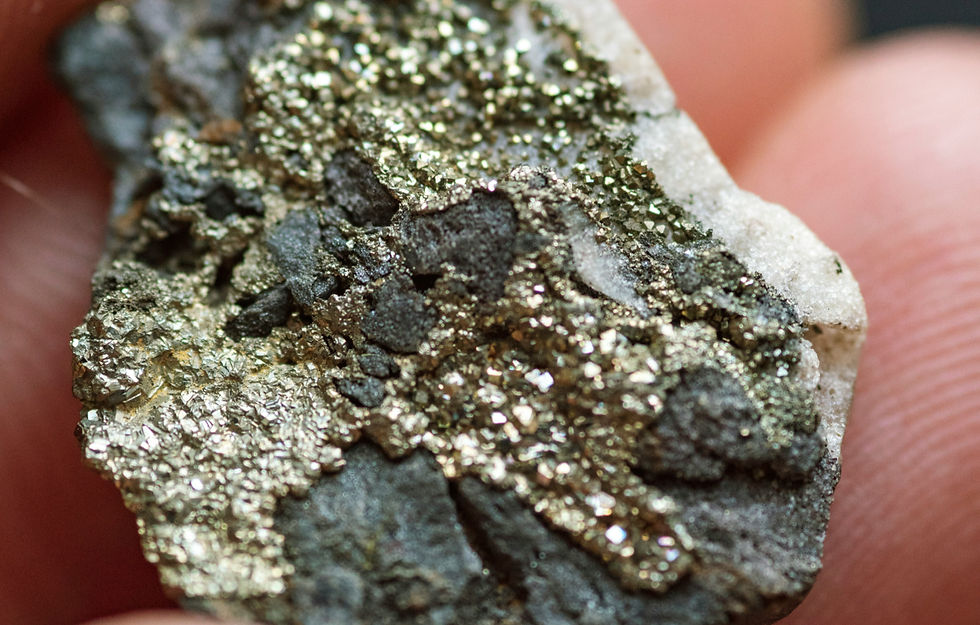
Indicator minerals are a crucial component of gold prospecting. The term refers to minerals found in nature that favor the same conditions that gold does, meaning you often find them together. Pyrite, also known as "fool's gold," is a common indicator mineral that can be one of the signs of gold deposits nearby. Arsenopyrite is another mineral that is commonly found alongside gold. The presence of chalcopyrite, galena, sphalerite, and magnetite in an area can also be a sign that gold might be present, as these substances have been found with gold in the past. Quartz is another mineral found in areas where gold has been mined. If quartz contains small amounts of gold, it can be a sign that more extensive gold deposits may exist nearby. In summary, the presence of these indicator minerals acts as an essential guide in the exploration of gold.
Where There Is Coal, There's Gold

Coal naturally occurs within sedimentary basins, which can also host other types of minerals, including gold. Geological structures and processes that have led to the formation of coal can sometimes be associated with the formation of gold deposits as well. These structures include faults, folds, and areas of volcanic activity that can create favorable conditions for gold mineralization. Mining and exploration companies often use coal exploration techniques, such as drilling and geophysical surveys, to investigate the subsurface geology and identify potential mineral locations. These techniques can be applied to search for gold as well. For example, geophysical methods like magnetic surveys and induced polarization can help identify areas with potential mineralization, including gold.

What are vein deposits?
Vein deposits are geological formations that typically appear as cracks or fissures in a hard host rock. Different types of veins exist in many places around the world, including Australia, South Africa, the United States, and Brazil. Some contain gemstones and other minerals. Gold veins develop when hydrothermal fluids carrying metals like gold, silver, and copper move through fractures in the crust. Over time, as the fluid cools and precipitates, the gold and other metals settle in the cracks and crevices of the host rock, forming veins.
What is lode gold?
Lode gold, also known as hard rock gold, is the name given to the gold that is found in vein deposits. Unlike placer gold, which is found in sediment deposits such as riverbeds and streams, lode gold requires more intensive mining techniques to extract the gold from the surrounding rock. These fissures of gold are often narrow and can be spread out over large areas, making it difficult to locate and extract. Lode gold deposits occur at varying depths, which further adds to the complexity of mining for this type of gold. Despite the challenges, this type of gold has historically been the most popular type of deposit for gold miners around the world due to the potential for a lot of gold to be found in one small area.
What is placer gold?
Placer gold refers to the tiny pieces of gold that have been extracted from streambeds and alluvial deposits. Gold in placer deposits is typically characterized as loose, granular, or flaky. Gold takes this shape when it is eroded from its original location, possibly in a lode deposit within a mountain, and is then transported by water, eventually settling in riverbeds, lake basins, or on beaches. Gold is heavier than most other metals and minerals, so placer gold is often recovered by panning or sluicing, which involves separating the heavier gold from the lighter sediment or gravel and is a low-tech type of mining. Often the gold in these areas are associated with other minerals, such as pyrite or quartz, making it difficult to extract. Gold placer deposits played a significant role in the gold rushes of the 19th and early 20th centuries in regions such as California, Alaska, and the Yukon Territory.
What is Gold Ore?
Gold ore is a type of gold bearing rock that occurs naturally and contains a high level of gold particles. Of all the different ways that gold exists in nature, this form requires the most processing in order to recover the gold. Ore formation occurs deep within the earth's crust and can be mined through a variety of methods, including underground mining, open-pit mining, and placer mining. Gold ore can be made via a variety of geological processes, often it is formed when hydrothermal fluid mixes through and settles within other igneous or metamorphic host rock which results in a formation made of many minerals, mixed with elements like gold, iron or other metals. Most of the modern gold mines today are mining gold ore.

Gold Mining in China
China has been a significant player in the global gold mining industry for many years. The country is known for mining around 420 metric tons to 450 metric tons of gold annually. The largest gold mine in China is the Zijinshan Gold Mine, located in southeastern Fujian Province. This mine has been operational since 1993 and is famous for its extensive gold reserves and high production output. The mine is an open-pit facility that uses modern mining techniques to extract gold from the ore in the region. In recent years, China has moved towards stricter regulations to govern the industry to prevent environmental damage and improve worker safety. Despite these challenges, China remains a significant player in the global gold production market.
An Australian Gold Mine
Australia is a country that is known for its abundant reserves of gold. In fact, the country is one of the world's largest producers of gold, with total gold production annually ranging from 320 to 330 metric tons in recent years. In fact the largest gold nugget ever found was from in Australia.
The Boddington Gold Mine, located in Western Australia, is the largest mine in the country, producing around 700,000 troy ounces of gold in Australia per year. This mine is part of the Newmont Boddington Gold operation and is known for producing high-quality gold. This industry in Australia employs thousands of people, and the country is home to several large mining companies that operate in the sector. A few examples include Newcrest Mining, Evolution Mining, and Northern Star Resources. These companies are investing heavily in exploration and mining activities within Australia, as they aim to maintain their position as leading gold producers in the global market. Australia's gold mines are an essential part of the country's economy, and they have significant potential to continue contributing to the growth of the industry.

Russian Gold Production
Russia's production of gold places it among the top countries that produce gold every year. In 2020, the country produced approximately 320 tonnes of gold. This is a significant increase from the previous year, which demonstrates the industry's resilience in the face of economic downturns and global crises. The Olimpiada Gold Mine, located in the Krasnoyarsk Krai region in Siberia, is the largest gold mine in Russia. It is an open-pit mine that uses a conventional truck and shovel mining method. The mine has a high level of gold reserves, which support its continued operations and production. They produce a significant portion of the country's overall gold output, with several other mines in the region also contributing to the industry's success. The continued growth of Russia's gold production is a testament to the country's commitment to the mining industry and its importance to the economy.





Comments